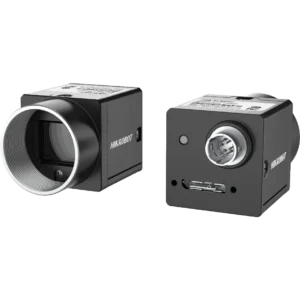
Area Scan Camera, 0.3MP, GigE, PYTHON300, Color | MV-CA003-20GC
MV-CA003-20GCAdopts GigE interface and max. transmission distance of 100 meters without relay.
Over 500 HIKROBOT area scan and line scan camera models for automated optical inspection, precision measurement and quality control – from compact 0.3 MP global shutter cameras to 151 MP large-format sensors. Use the filters to narrow down by resolution, sensor and frame rate, or start with the interface overview and comparison tables below the product list.
Showing 1–48 of 508 results
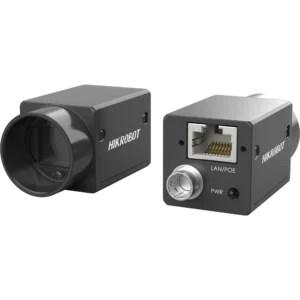
Adopts GigE interface and max. transmission distance of 100 meters without relay.
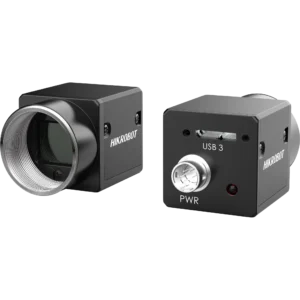
Supports auto and manual adjustment for gain, exposure control, LUT, Gamma correction, etc.
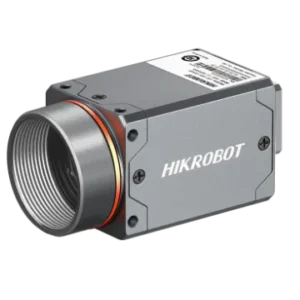
The devices with PRO version and MAX version support waterproof connector.
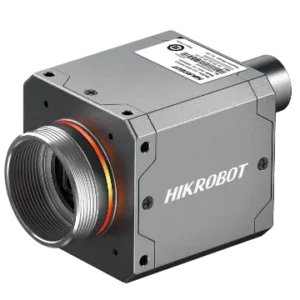
The devices with PRO version and MAX version support waterproof connector.
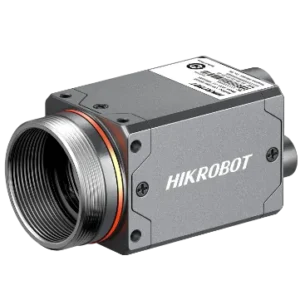
The devices with PRO version and MAX version support waterproof connector.
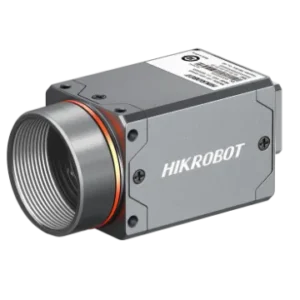
The devices with PRO version and MAX version support waterproof connector.
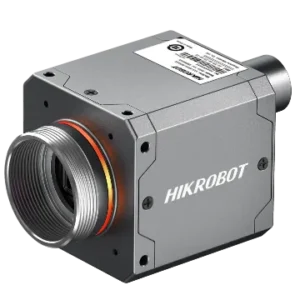
The devices with PRO version and MAX version support waterproof connector.
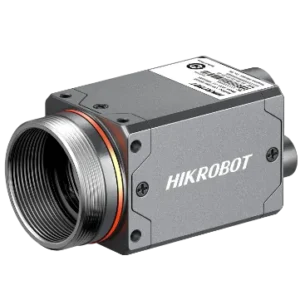
The devices with PRO version and MAX version support waterproof connector.
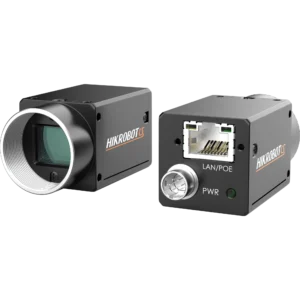
Adopts brand new design to reduce power consumption.
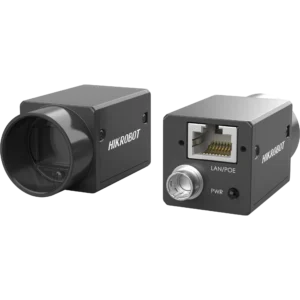
Adopts GigE interface and max. transmission distance of 100 meters without relay.
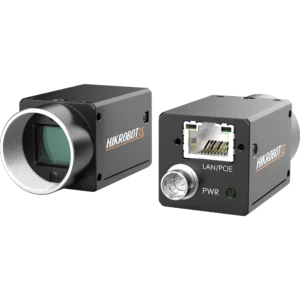
Adopts brand new design to reduce power consumption.
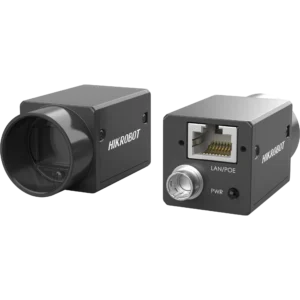
Adopts GigE interface and max. transmission distance of 100 meters without relay.
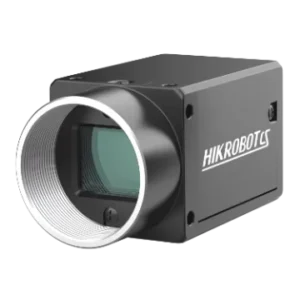
Adopts brand new design to reduce power consumption.
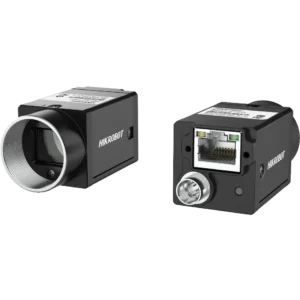
Adopts low power consumption design with stable performance.
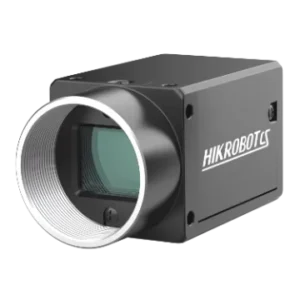
Adopts brand new design to reduce power consumption.
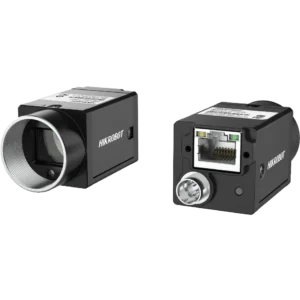
Adopts low power consumption design with stable performance.
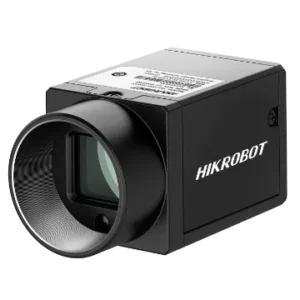
Adopts low consumption design with stable performance.
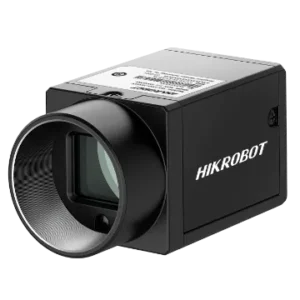
Adopts low consumption design with stable performance.
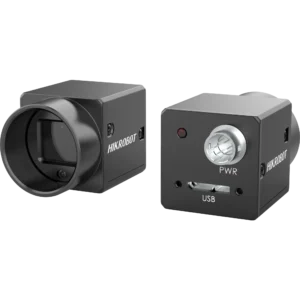
Supports auto and manual adjustment for gain, exposure control, LUT, Gamma correction, etc.
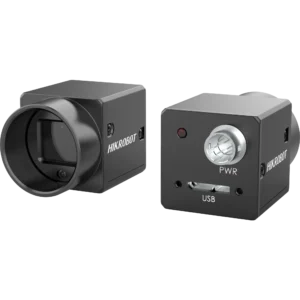
Supports auto and manual adjustment for gain, exposure control, LUT, Gamma correction, etc.
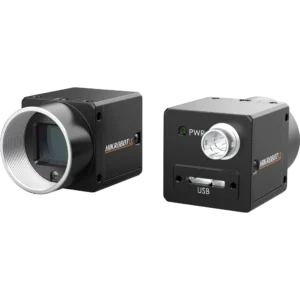
Adopts brand new design to reduce power consumption.
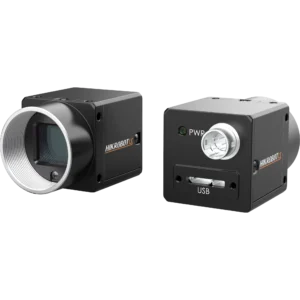
Adopts brand new design to reduce power consumption.
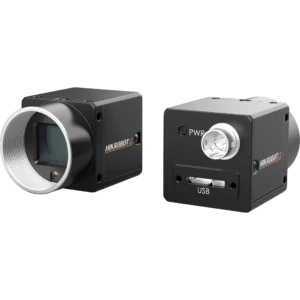
Adopts brand new design to reduce power consumption.
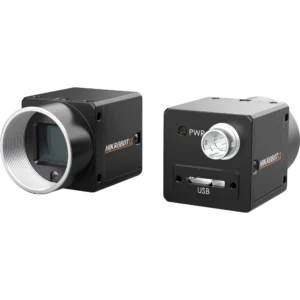
Adopts brand new design to reduce power consumption.
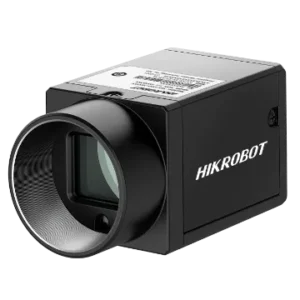
Adopts low power consumption design with stable performance.
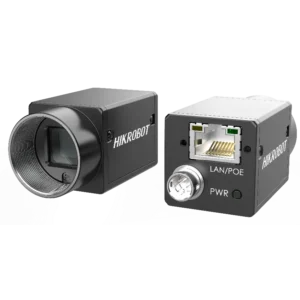
Supports auto or manual adjustment of gain and exposure time, manual adjustment of LUT and Gamma correction, etc.
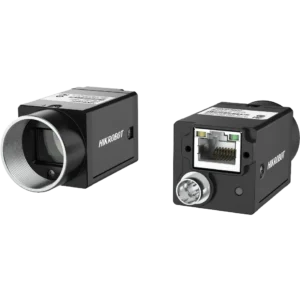
Adopts low power consumption design with stable performance.
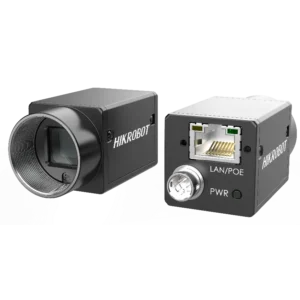
Supports auto or manual adjustment of gain and exposure time, manual adjustment of LUT and Gamma correction, etc.
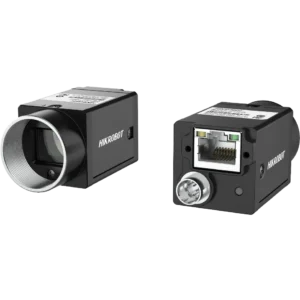
Adopts low power consumption design with stable performance.
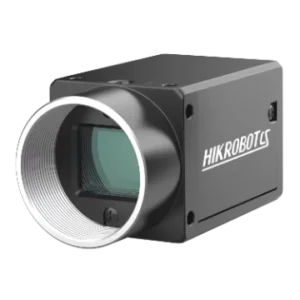
Adopts brand new design to reduce power consumption.
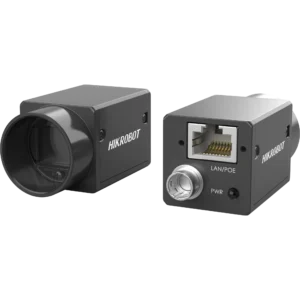
Adopts GigE interface and max. transmission distance of 100 meters without relay.
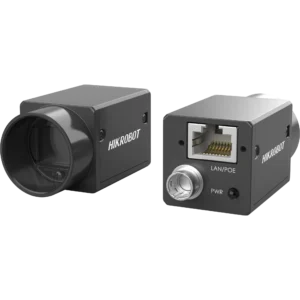
Adopts GigE interface and max. transmission distance of 100 meters without relay.
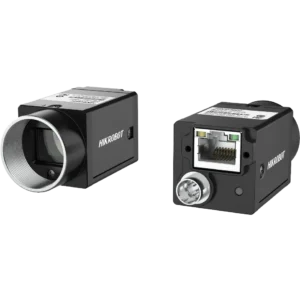
Supports auto or manual adjustment of gain, exposure time, manual adjustment of LUT, Gamma correction, etc.
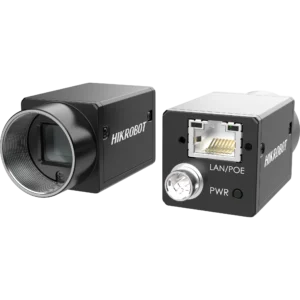
Adopts GigE interface and max. transmission distance of 100 meters without relay.
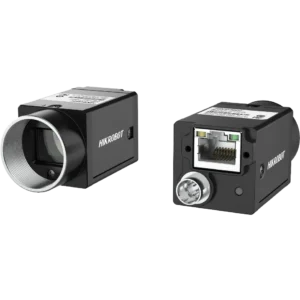
Supports auto or manual adjustment of gain, exposure time, manual adjustment of LUT, Gamma correction, etc.
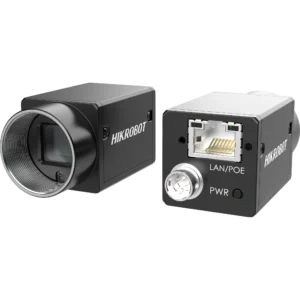
Adopts GigE interface and max. transmission distance of 100 meters without relay.
Supports auto or manual adjustments of gain, exposure time, LUT, Gamma correction, etc.
Supports auto or manual adjustments of gain, exposure time, LUT, Gamma correction, etc.
Adopts low power consumption design with stable performance.
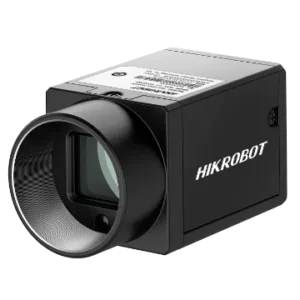
Adopts low power consumption design with stable performance.
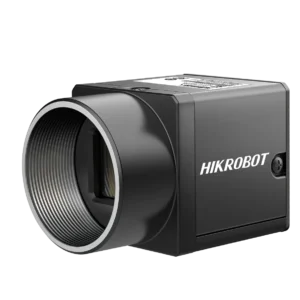
Supports auto or manual adjustment of gain, exposure time, and manual adjustment of LUT, Gamma correction, etc.
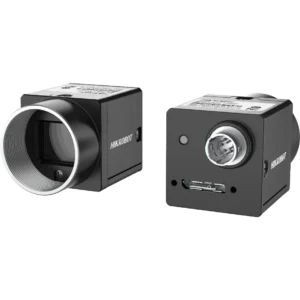
Supports auto or manual adjustment of gain, exposure time, and manual adjustment of LUT, Gamma correction, etc.
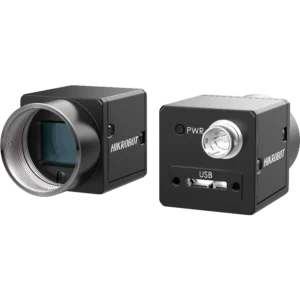
Supports auto or manual adjustment of gain, exposure time, and manual adjustment of LUT, Gamma correction, etc.
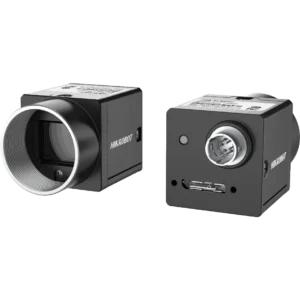
Supports auto or manual adjustment of gain, exposure time, and manual adjustment of LUT, Gamma correction, etc.
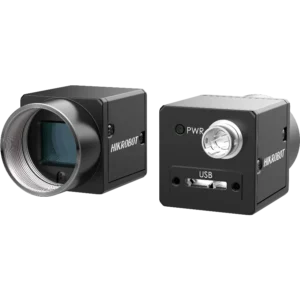
Supports auto or manual adjustment of gain, exposure time, and manual adjustment of LUT, Gamma correction, etc.
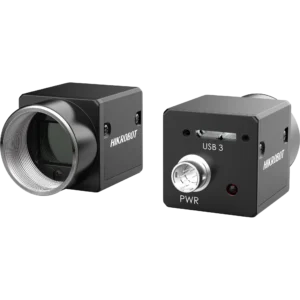
Supports auto and manual adjustment for gain, exposure control, LUT, Gamma correction, etc.
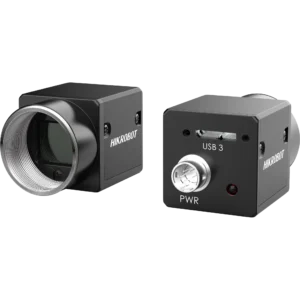
Supports auto and manual adjustment for gain, exposure control, LUT, Gamma correction, etc.
Supports auto or manual adjustment of gain, exposure time, manual adjustment of LUT, Gamma correction, etc.
| Resolution | Typical sensor formats | Typical applications |
|---|---|---|
| 0.3–2 MP | 1/2.9″ to 2/3″ CMOS | High-speed motion, pick & place, positioning, code reading support |
| 3–9 MP | 1/1.8″ to 1″ CMOS | General surface inspection, presence checks, robot guidance |
| 12–25 MP | 1″ to 4/3″ CMOS | Electronics and PCB inspection, precision gauging |
| 29–151 MP | APS-C to full frame and larger | Flat-panel and display inspection, wafer and aerial imaging |
| Line scan 2k–16k | Line sensors up to 16,384 px | Continuous web, print, textile, foil and battery inspection |
| Interface | Bandwidth | Max. cable length | Best suited for |
|---|---|---|---|
| GigE / 2.5GigE | 1–2.5 Gbit/s | 100 m | Multi-camera systems, long cable runs, standard automation |
| USB3 | 5 Gbit/s | 3–8 m | Compact single-camera setups, simple plug-and-play integration |
| 10GigE | 10 Gbit/s | 30 m+ | High resolution at high frame rates without a frame grabber |
| Camera Link | up to 6.8 Gbit/s | 10 m | Established high-speed line scan systems (frame grabber required) |
| CoaXPress | 12.5 Gbit/s per lane | 40 m+ | Maximum bandwidth and deterministic triggering (frame grabber required) |
| Fiber (XoF) | 10 Gbit/s+ | km range | Long distances and electrically noisy environments |
HIKROBOT area scan and line scan cameras cover resolutions from 0.3 MP to 151 MP with GigE, 10GigE, USB3, Camera Link and CoaXPress interfaces, in mono and color. Designed for 24/7 operation in quality inspection, measurement, robotics and automation.
GigE Vision supports cable lengths up to 100 m and is the standard for factory automation. USB3 offers high bandwidth over short distances, while CoaXPress and Camera Link are built for high-speed, high-resolution applications.
An area scan camera captures a complete 2D image per exposure and suits most inspection tasks. A line scan camera captures the image line by line and is ideal for continuous material such as film, paper or textiles.
Monochrome sensors offer higher sensitivity and sharper detail for measurement and defect detection. Choose color when parts must be identified or verified by their color.
Most area scan models use global shutter CMOS sensors, which capture the whole frame at once and are the right choice for moving objects. Some very high resolution models use rolling shutter sensors and are best used for stationary scenes or with strobed lighting.
As a rule of thumb, the smallest defect or feature you need to detect should cover at least three pixels. Divide your field of view by one third of the minimum defect size to estimate the required resolution, and see our camera selection guides for worked examples.
C-mount lenses cover sensors up to about 1.1″. Larger area scan sensors and most line scan cameras use M42, M58 or F-mount. Always match the lens image circle to the sensor diagonal, otherwise the image corners will vignette.
Yes. HIKROBOT cameras comply with the GigE Vision, USB3 Vision and GenICam standards, so they work with common machine vision libraries such as HALCON, MERLIC and LabVIEW as well as with the free MVS SDK for Windows and Linux.

Not found what you are looking for? I am happy to help you choose the right camera technology for your application.
markus.berger@eqphotonics.de Send inquiry