3D Camera DP2050-01P V2.0, ref. distance 47 mm, Z-range 6 mm
MV-DP2050-01P V2.0Built-in high-accuracy algorithm and accuracy is up to submicron level.

3D cameras and laser profile sensors for height measurement, volume checks and robot guidance. Compare the 3D imaging technologies below the product list to find the right approach for your measurement task.
Showing 1–48 of 49 results
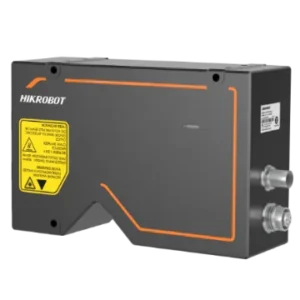
Built-in high-accuracy algorithm and accuracy is up to submicron level.
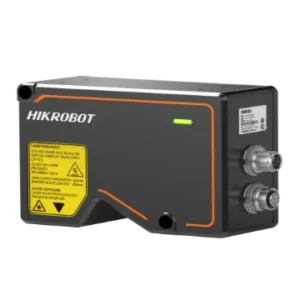
Built-in high-accuracy algorithm and accuracy is up to submicron level.
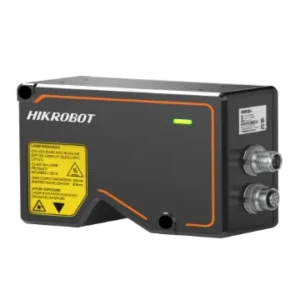
Built-in high-accuracy algorithm and accuracy is up to submicron level.
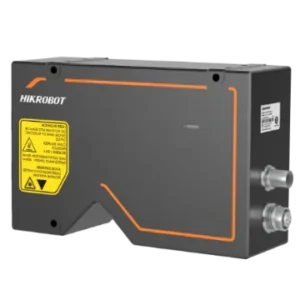
Built-in high-accuracy algorithm and accuracy is up to submicron level.
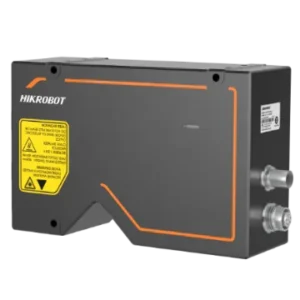
Built-in high-accuracy algorithm and accuracy is up to submicron level.
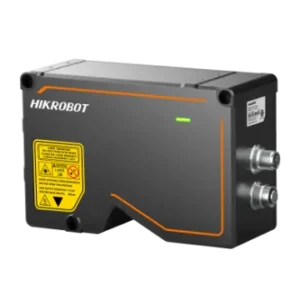
Built-in high-accuracy algorithm and accuracy is up to submicron level.
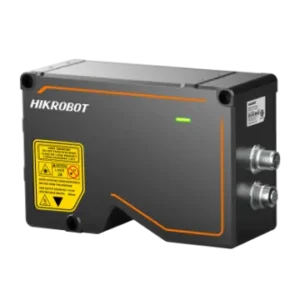
Built-in high-accuracy algorithm and accuracy is up to submicron level.
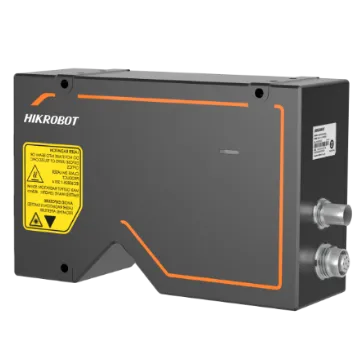
Built-in high-accuracy algorithm and accuracy is up to submicron level.
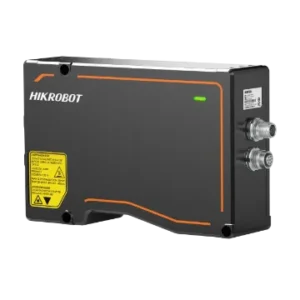
Built-in high-accuracy algorithm and accuracy is up to submicron level.
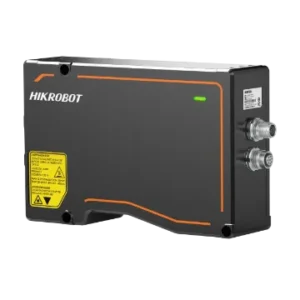
Built-in high-accuracy algorithm and accuracy is up to submicron level.
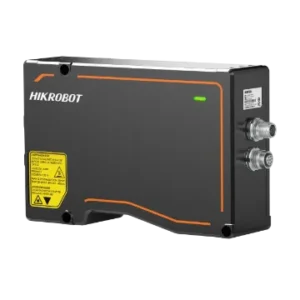
Built-in high-accuracy algorithm and accuracy is up to submicron level.
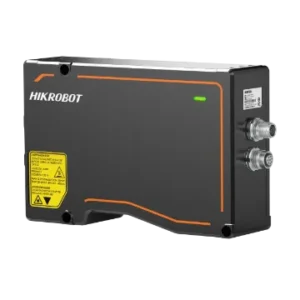
Built-in high-accuracy algorithm and accuracy is up to submicron level.
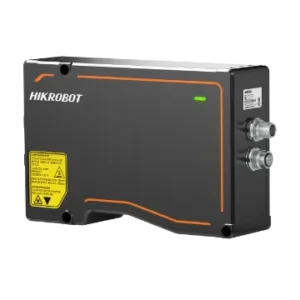
Built-in high-accuracy algorithm and accuracy is up to submicron level.
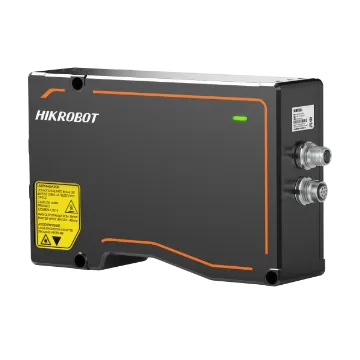
Built-in high-accuracy algorithm and accuracy is up to submicron level.
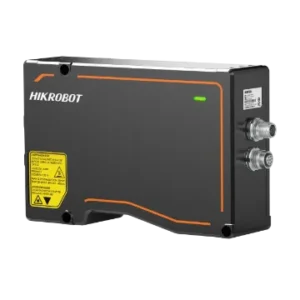
Built-in high-accuracy algorithm and accuracy is up to submicron level.
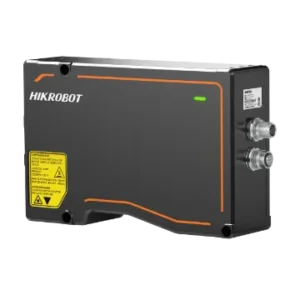
Built-in high-accuracy algorithm and accuracy is up to submicron level.
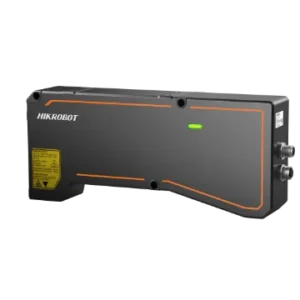
Built-in high-accuracy algorithm and accuracy is up to submicron level.
Built-in high-accuracy algorithm and accuracy is up to submicron level.
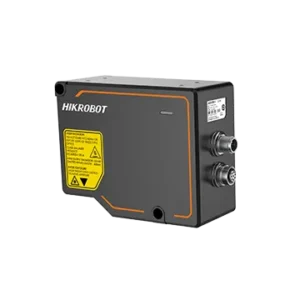
Built-in high-accuracy algorithm and accuracy is up to submicron level.
Built-in high-accuracy algorithm and accuracy is up to submicron level.
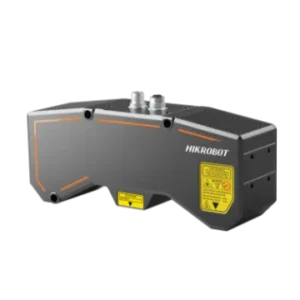
Dual-mode image sensor to eliminate blind area of FOV and suppress stray light.
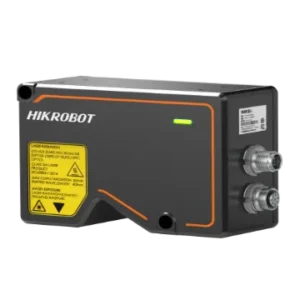
Built-in high-accuracy algorithm and accuracy is up to submicron level.
Built-in high-accuracy algorithm and accuracy is up to submicron level.
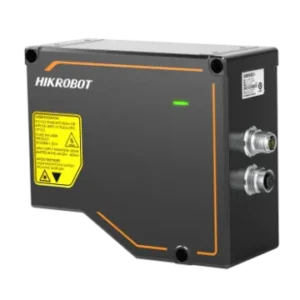
Built-in high-accuracy algorithm and accuracy is up to submicron level.
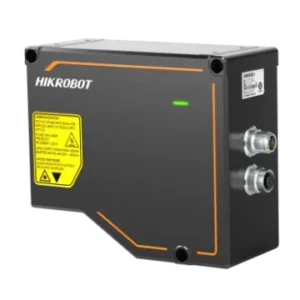
Built-in high-accuracy algorithm and accuracy is up to submicron level.
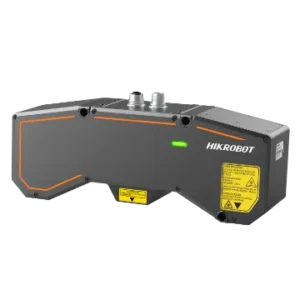
Dual-mode image sensor to eliminate blind area of FOV and suppress stray light.
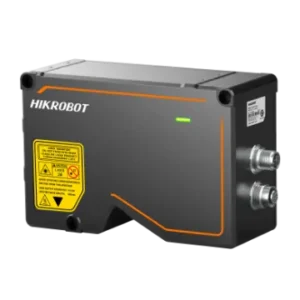
Built-in high-accuracy algorithm and accuracy is up to submicron level.
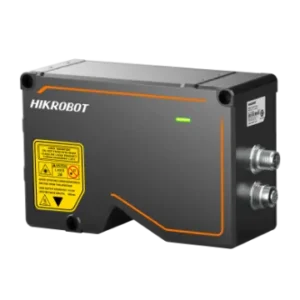
Built-in high-accuracy algorithm and accuracy is up to submicron level.
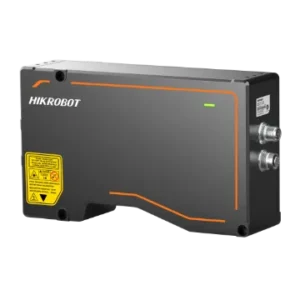
Built-in high-accuracy algorithm and accuracy is up to submicron level.
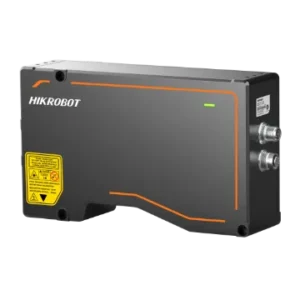
Built-in high-accuracy algorithm and accuracy is up to submicron level.
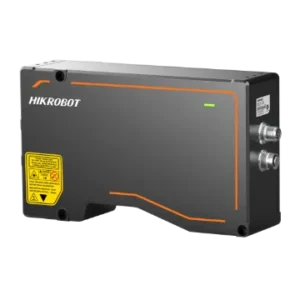
Built-in high-accuracy algorithm and accuracy is up to submicron level.
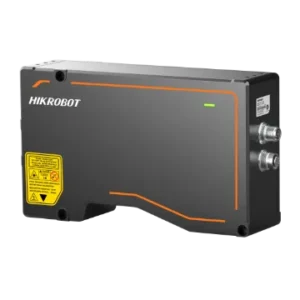
Built-in high-accuracy algorithm and accuracy is up to submicron level.
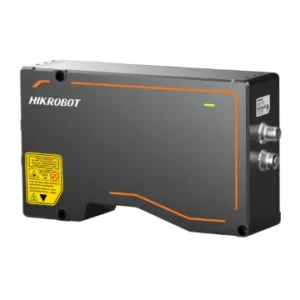
Built-in high-accuracy algorithm and accuracy is up to submicron level.
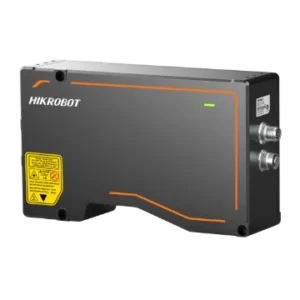
Built-in high-accuracy algorithm and accuracy is up to submicron level.
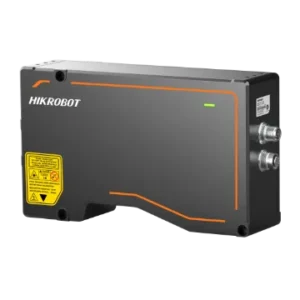
Built-in high-accuracy algorithm and accuracy is up to submicron level.
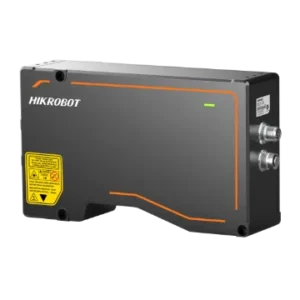
Built-in high-accuracy algorithm and accuracy is up to submicron level.
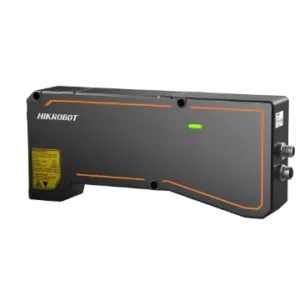
Built-in high-accuracy algorithm and accuracy is up to submicron level.
Built-in high-accuracy algorithm and accuracy is up to submicron level.
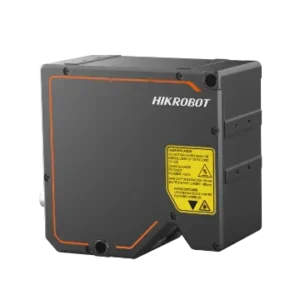
Adopts high-speed, high-resolution, and large-pixel element image chips.
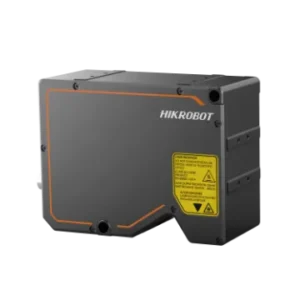
Adopts high-speed, high-resolution, and large-pixel element image chips.
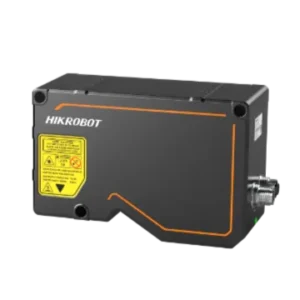
Adopts high-speed, high-resolution, and large-pixel element image chips.

Adopts high-speed, high-resolution, and large-pixel element image chips.
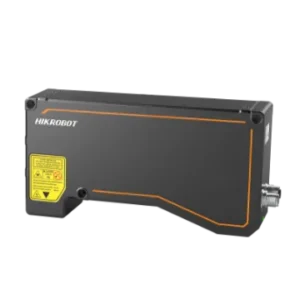
Adopts high-speed, high-resolution, and large-pixel element image chips.
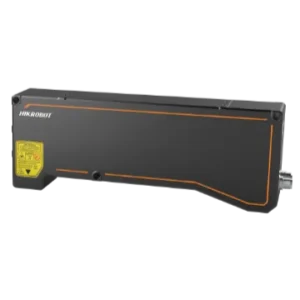
Adopts high-speed, high-resolution, and large-pixel element image chips.
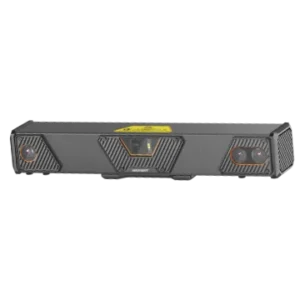
Customized optical system provides high-quality image.
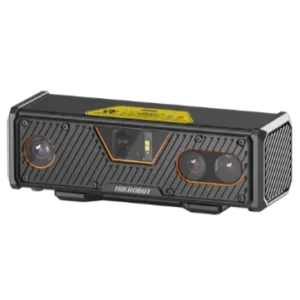
Customized optical system provides high-quality image.
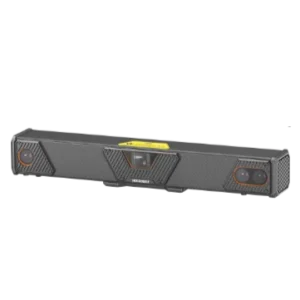
Customized optical system provides high-quality image.
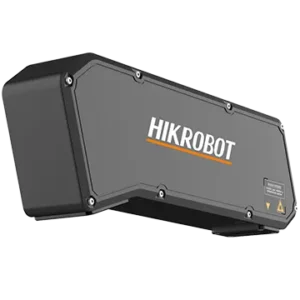
Adopts wide dynamic range algorithm to accurately measure materials of high-absorbance or high-reflection.
| Technology | Principle | Strengths |
|---|---|---|
| Laser profiler | Laser line plus triangulation on a moving part | Micrometer accuracy, inline height and profile measurement |
| Stereo camera | Two views matched by features or projected texture | Static scenes, bin picking, robot guidance |
| Structured light | Projected patterns analyzed per pixel | High detail scans of stationary objects |
| Time of flight | Light travel time per pixel | Long range, palletizing and volume estimation |
HIKROBOT 3D laser profilers and stereo cameras capture height, position and volume with micron-level precision for robot guidance, dimensioning, weld inspection and surface control. Models differ by reference distance, Z-range and scan rate.
A laser profiler scans a laser line across the moving part and delivers exact profiles, while a stereo camera captures a full 3D point cloud of a static scene in one shot.
Depending on model and working distance, repeatability reaches the micron range; the datasheet on each product page states Z-axis resolution and linearity.
The sensors output profiles or point clouds over GigE; SDKs for common vision libraries and PLC integration are provided.
For accurate results on conveyors with varying speed, yes – the encoder input keeps the profile spacing constant. Only at truly constant speed can a time-based trigger substitute.
The sensors deliver profiles and point clouds through an SDK, and common machine vision libraries process them for measurement, matching and robot integration.
Yes. Typical applications are bin picking and depalletizing, where a hand-eye calibration links the camera coordinates to the robot coordinate system.

Not found what you are looking for? I am happy to help you choose the right camera technology for your application.
markus.berger@eqphotonics.de Send inquiry