Adapter Ring M42×1.0-F T34.5
M42x1.0-F T34.5Supports lens mount conversion with flexible compatibility.
94 machine vision lenses for area scan and line scan cameras. Filter by focal length and mount, or use the matching tables below the product list to pair the right lens with your camera sensor and resolution.
Showing 1–48 of 94 results
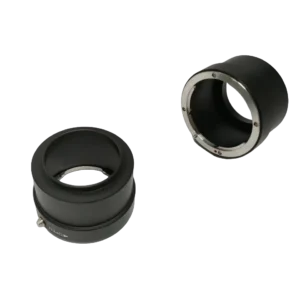
Supports lens mount conversion with flexible compatibility.
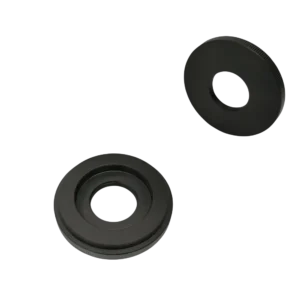
Supports lens mount conversion with flexible compatibility.
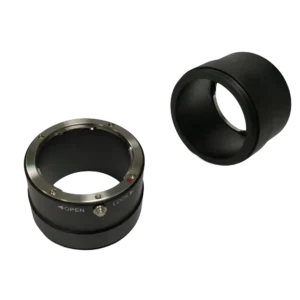
Supports lens mount conversion with flexible compatibility.
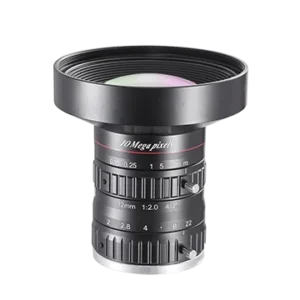
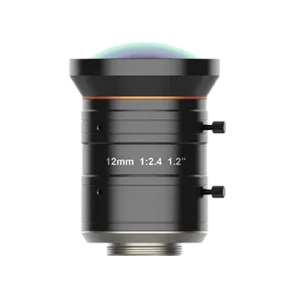
Ultra high resolution and consistency of image clarity
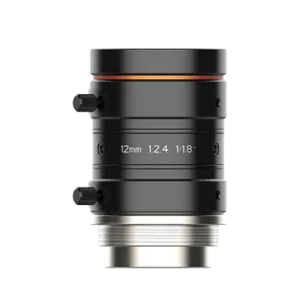
Ultra high resolution and consistency of image clarity
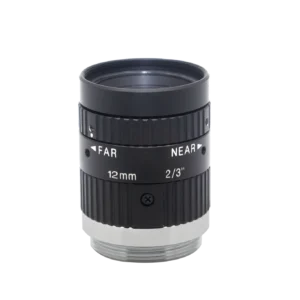
High resolution and consistency of image clarity.
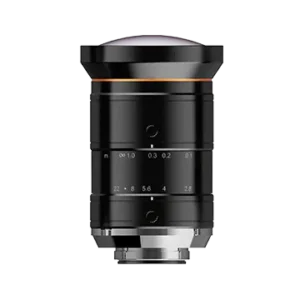
Ultra high resolution and consistency of image clarity
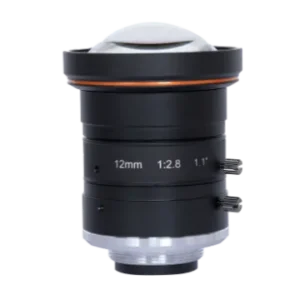
High resolution, high definition of the whole image
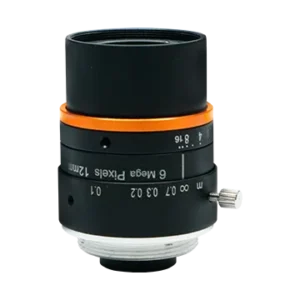
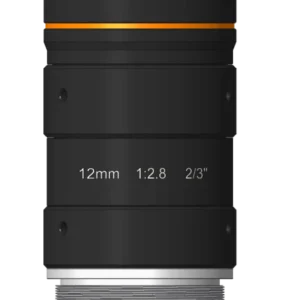
High resolution and consistency of image clarity
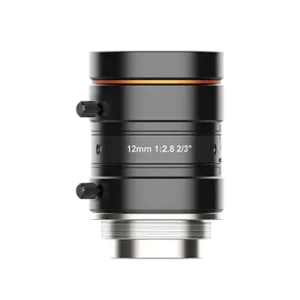
Ultra-high resolution and consistency of image clarity
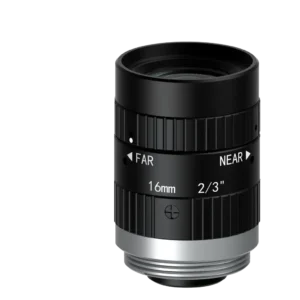
High resolution and consistency of image clarity.
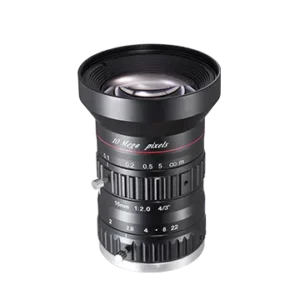
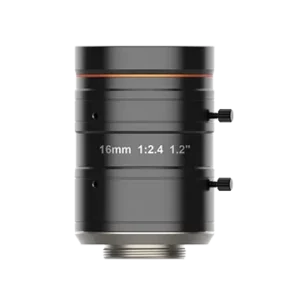
Ultra high resolution and consistency of image clarity
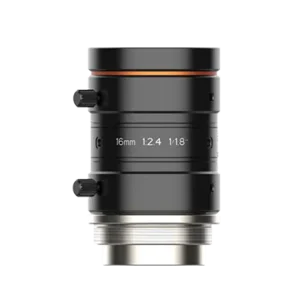
Ultra high resolution and consistency of image clarity
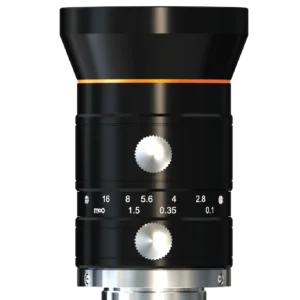
Ultra high resolution and consistency of image clarity
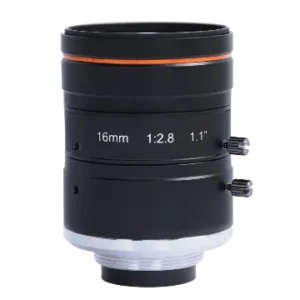
High resolution, high definition of the whole image
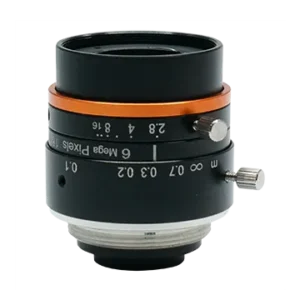
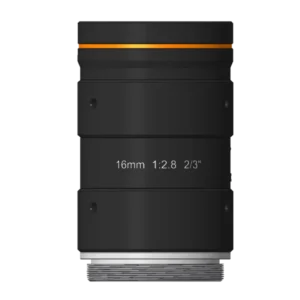
High resolution and consistency of image clarity
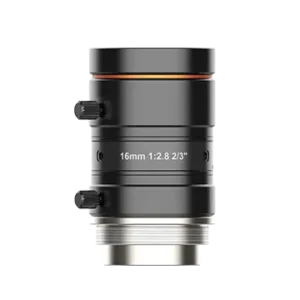
Ultra-high resolution and consistency of image clarity
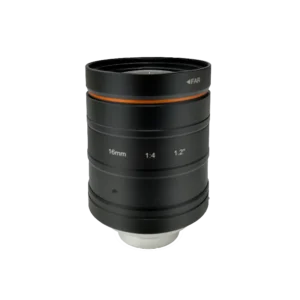
Ultra high resolution, high consistency in image center and edge clarity
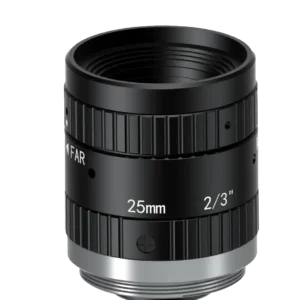
High resolution and consistency of image clarity.
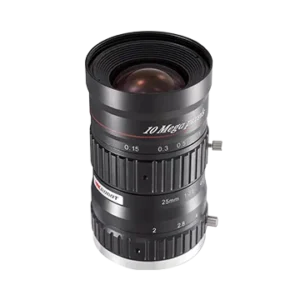
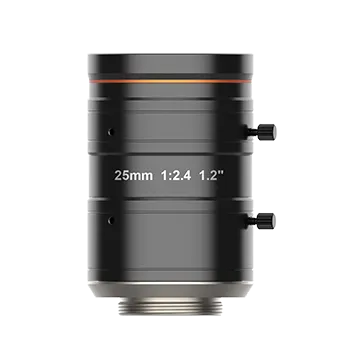
Ultra high resolution and consistency of image clarity
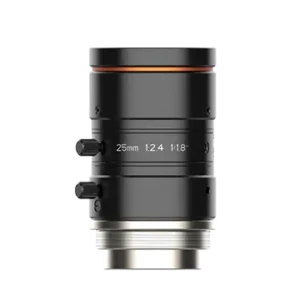
Ultra high resolution and consistency of image clarity
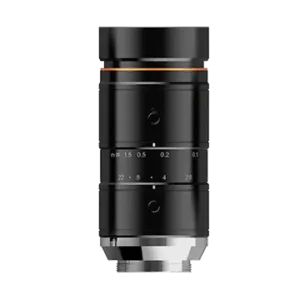
Ultra high resolution and consistency of image clarity
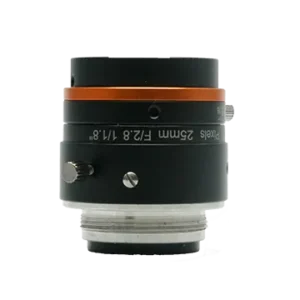
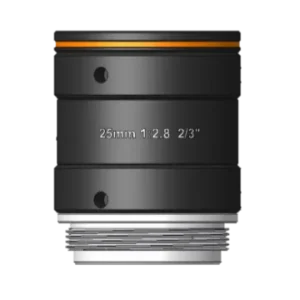
High resolution and consistency of image clarity
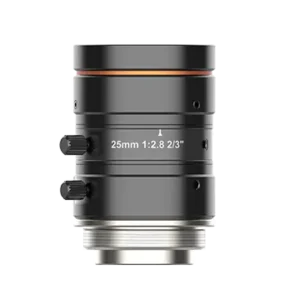
Ultra-high resolution and consistency of image clarity
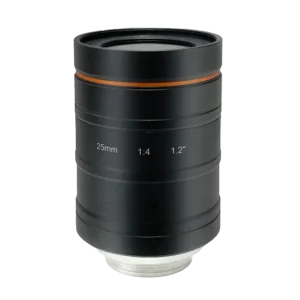
Ultra high resolution, high consistency in image center and edge clarity
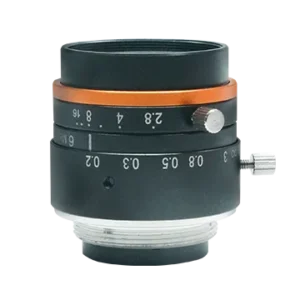
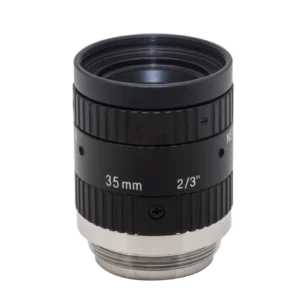
High resolution and consistency of image clarity
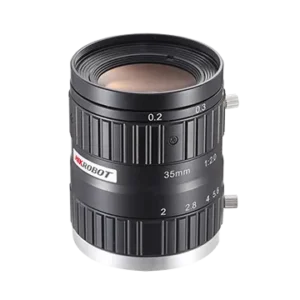
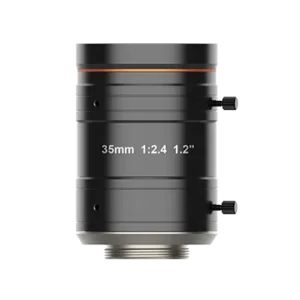
Ultra high resolution and consistency of image clarity
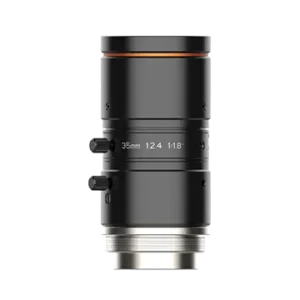
Ultra high resolution and consistency of image clarity
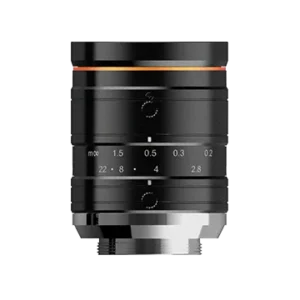
Ultra high resolution and consistency of image clarity
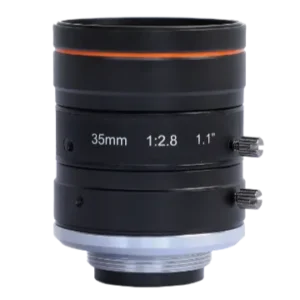
High resolution, high definition of the whole image
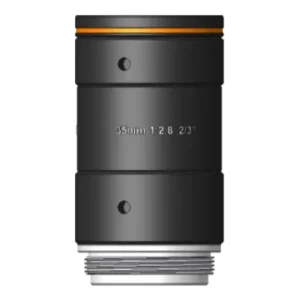
High resolution and consistency of image clarity
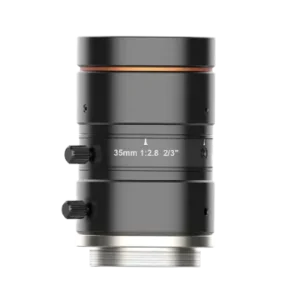
Ultra-high resolution and consistency of image clarity
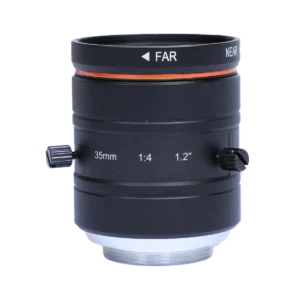
Ultra high resolution, high consistency in image center and edge clarity
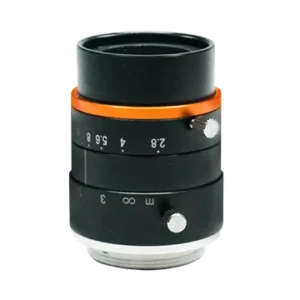
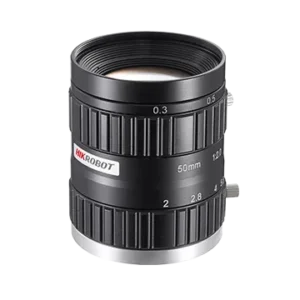
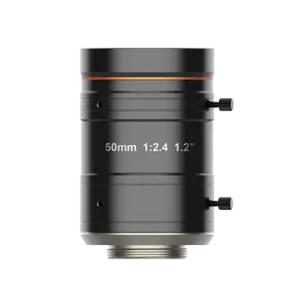
Ultra high resolution and consistency of image clarity
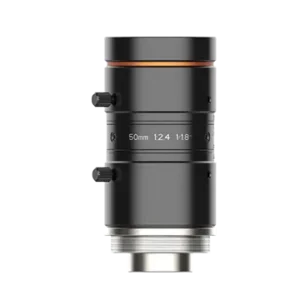
Ultra high resolution and consistency of image clarity
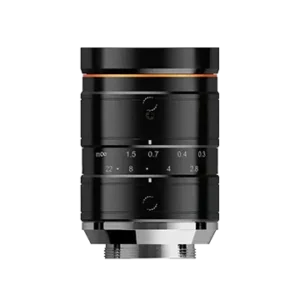
Ultra high resolution and consistency of image clarity
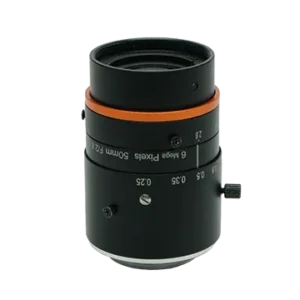
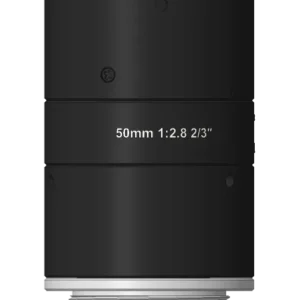
High resolution and consistency of image clarity.
| Sensor format | Lens mount | Notes |
|---|---|---|
| Up to 2/3″ | C-mount | The standard combination for cameras up to about 12 MP |
| 1″ to 1.1″ | C-mount with large image circle | Check that the lens covers the full sensor diagonal |
| 4/3″ and APS-C | M42 | High resolution area scan cameras from about 20 MP |
| Line scan up to 16k | M58 / F-mount | Large image circles for long line sensors |
| Focal length | Field of view | Typical use |
|---|---|---|
| 4–8 mm | Wide | Large objects at short working distances |
| 12–16 mm | Standard | General inspection with balanced distortion |
| 25–35 mm | Narrow | Detail inspection at longer working distances |
| 50–75 mm | Tele | Small fields of view and measurement with low perspective error |
Fixed focal length machine vision lenses from HIKROBOT for C-mount and large-format M42, M58 and F-mount cameras, matched to sensor size, resolution and working distance. From wide angle to telephoto for measurement, inspection and robotics.
From working distance and required field of view; focal length = working distance x sensor size / field of view is a practical starting point, and our team gladly checks your layout.
It states the sensor resolution the lens can resolve without becoming the limiting factor; the lens rating should match or exceed the camera resolution.
The lens mount must match the camera: C-mount for most industrial cameras, M42, M58 or F-mount for large sensors above 1.1 inch.
A smaller f-number lets in more light but reduces depth of field. Most inspection tasks work best between f/4 and f/8, where sharpness and depth of field are balanced. Very small apertures cause diffraction blur on cameras with small pixels.
For visual checks moderate distortion is usually harmless. For dimensional measurement it directly falsifies results, so choose a low-distortion lens or calibrate the remaining distortion in software.
The lens must resolve details at least as fine as the pixel size, so high resolution sensors with small pixels need lenses with a matching megapixel rating. Pairing a high resolution camera with a low resolving lens wastes sensor resolution.

Not found what you are looking for? I am happy to help you choose the right camera technology for your application.
markus.berger@eqphotonics.de Send inquiry